
Ready Flat vs Under Construction Bangladesh (2026): Which Should You Buy? |
July 16, 2026How Digital Tools Are Changing Apartment Buying in Bangladesh
Digital apartment buying is changing how people in Bangladesh research, compare and shortlist residential properties. Instead of depending entirely on printed brochures, newspaper advertisements and repeated office visits, buyers can now explore apartment projects, examine building designs, watch walkthrough videos and contact developers online.
This shift is especially important in Dhaka, where travelling between different project locations and developer offices can take a considerable amount of time. A buyer may spend several days visiting properties that do not match the preferred location, apartment size, budget or expected completion date.
Digital platforms help reduce that difficulty. Before arranging a site visit, a buyer can learn about a developer, view ongoing and completed developments, read apartment-buying guides and prepare relevant questions. This makes the first stage of property research more organised.
Developers also benefit from this change. A professional website allows a real estate company to present its history, values, projects and construction updates in one accessible place. Buyers can review the available information at their own pace instead of trying to remember everything from one short sales conversation.
RC Holdings Limited uses its website to introduce residential projects, company information, construction activities and property-related resources. These digital materials can help prospective buyers develop an initial understanding of the company before arranging a consultation.
However, digital apartment buying should not be confused with purchasing a property without proper verification. Online information can help buyers shortlist suitable apartments, but physical inspections, legal document reviews and direct communication with authorised company representatives remain essential.
Quick Answer: Digital apartment buying makes property research faster and more convenient by giving buyers access to apartment projects, images, floor plans, walkthrough videos, construction updates and developer information online. These tools help buyers make a better shortlist, but they should still inspect the property and verify all legal and financial details before purchasing.
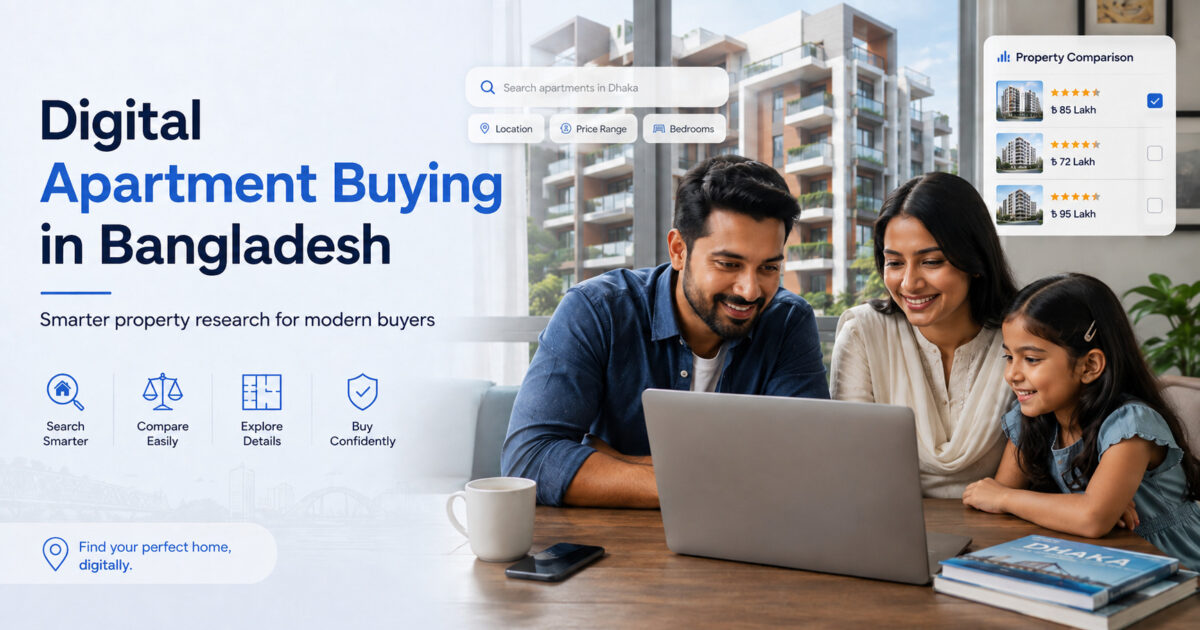
Table of Contents
- How Digital Apartment Buying Is Changing Property Research
- Why Apartment Buyers Start Their Search Online
- Virtual Walkthroughs and Property Videos
- Better Project Information and Smarter Comparisons
- Construction Updates and Buyer Confidence
- Digital Communication and Overseas Buyers
- Why a Professional Property Website Matters
- What Buyers Must Verify Before Purchasing
- Frequently Asked Questions
- Final Verdict
1. How Digital Apartment Buying Is Changing Property Research
Digital apartment buying has changed the first stage of the property journey. In the past, buyers commonly learned about residential developments through newspaper advertisements, roadside signs, printed brochures, housing fairs and recommendations from relatives.
These methods are still relevant, but they no longer provide the complete picture. Buyers now expect to find project information online before they contact a developer.
A potential buyer may begin by searching for an apartment in a particular area of Dhaka. The next step may involve comparing developers, checking available projects and reviewing completed buildings. Buyers may also search for information about registration, legal documents, apartment handover and construction quality.
This online research gives buyers more control. Instead of receiving all information from one sales representative, they can learn about the property market independently and prepare questions before making contact.
Digital apartment buying is also useful because apartment buyers do not all have the same priorities. One family may want a quiet residential location close to schools, while another buyer may prioritise access to a business district. Some buyers may want a ready apartment, while others may prefer an under-construction property with a longer payment schedule.
A structured real estate website can help these buyers explore different options. Projects can be divided into upcoming, ongoing and completed categories. This makes it easier for visitors to understand the stage of each development.
Completed projects can show the developer’s previous work. Ongoing projects allow buyers to review current activities and visible construction progress. Upcoming projects introduce planned developments that may suit buyers who are not ready for immediate possession.
The website can also explain the developer’s background. Information about the company’s journey, values and development approach gives visitors additional context beyond the individual apartment project.
For RC Holdings, online presentation allows buyers to explore the company before visiting its office. Prospective customers can learn more through the About RC Holdings page and then review available property information.
The purpose of digital apartment buying is not to complete every decision online. Its main value is helping buyers reach the next stage with more relevant information.
A buyer who has already examined the project type, location and development status can have a more productive conversation with the sales team. This saves time for both the customer and the developer.
2. Why Apartment Buyers Start Their Search Online
Convenience is one of the strongest reasons buyers now begin online. Visiting several developer offices across Dhaka can involve long travel times, traffic delays and repeated explanations of the same requirements.
Online research helps buyers narrow down their choices first. A family looking for a particular apartment size can check whether a development appears suitable before arranging an appointment.
Location is usually one of the first things buyers consider. The area can affect travel time, access to workplaces, schools, hospitals, shopping facilities and public transportation. It can also influence the lifestyle and long-term value of the property.
A project page can introduce the general location, but buyers should look beyond the name of the area. They should consider the exact road, surrounding buildings, nearby facilities and ease of access.
Apartment size is another important factor. Buyers may search for a property based on the total square footage, but the total size does not explain how efficiently the space is used.
Two apartments with similar total areas may have very different layouts. One may offer practical bedrooms, suitable circulation and useful balconies, while another may lose a significant amount of space through narrow passages or poorly positioned rooms.
Digital floor plans can help buyers evaluate these differences. They allow families to consider room placement, privacy, movement between spaces and whether the apartment suits their daily routine.
Online information also helps buyers understand the development stage. A person who needs to move soon may not be interested in a project with several years of construction remaining. Another buyer may prefer an ongoing project because it provides more time to organise payments.
A well-maintained website can communicate these differences before the buyer contacts the company.
Digital apartment buying is particularly useful for first-time buyers who may not know what questions to ask. Educational content can explain common issues such as required documents, registration costs, handover conditions and the differences between ready and under-construction apartments.
RC Holdings publishes property-related information through its real estate blog. Articles of this type can support buyers who are still learning about the apartment-purchasing process.
Educational content should not be written only to promote a project. It should provide practical information that helps readers understand the decision they are preparing to make.
When buyers find useful and clearly explained guidance, they are more likely to approach a developer with realistic expectations.
3. Virtual Walkthroughs and Property Videos
Photographs remain one of the most important parts of property presentation. They can show a building elevation, apartment interior, construction activity or completed project.
However, photographs usually show selected angles. A virtual walkthrough or property video can provide a wider understanding of the development.
A walkthrough can show how someone enters the building, moves through the apartment and experiences the connection between different rooms. This is particularly helpful for buyers who find it difficult to understand a two-dimensional floor plan.
The video may show the living room, dining space, bedrooms, kitchen, balconies and shared facilities. It can also demonstrate natural lighting, window placement and general room proportions more clearly than still images.
For a completed project, an actual walkthrough can show visible finishing and the condition of the apartment. Buyers may observe flooring, walls, doors, windows, electrical points and fixtures.
For a project that has not yet been completed, a developer may use an architectural animation. This type of video can illustrate the planned appearance of the building and apartment.
Buyers should understand the difference between these formats. An architectural animation represents the proposed design, while an actual walkthrough records a physical property.
Both forms of content can support digital apartment buying, but they should be labelled clearly. A promotional visualisation should not be presented in a way that makes viewers believe they are seeing the finished property.
Furniture and decorations shown in an animation or sample apartment may also be used only for presentation. Buyers should review the official apartment specifications to understand what will actually be included.
A virtual walkthrough can be especially valuable for overseas Bangladeshis. Someone living abroad may not be able to visit every shortlisted project, but a detailed video can help the person participate in early discussions.
Family members living in different countries can watch the same walkthrough and compare their opinions. They may then prepare specific questions for the developer or ask a representative in Bangladesh to inspect particular features.
Digital apartment buying therefore creates a more accessible first experience, but the video should still lead towards proper inspection rather than replacing it.
4. Better Project Information and Smarter Comparisons
An effective project page should help buyers understand whether a development matches their basic requirements.
The page may include the project name, address, apartment size, number of floors, unit layout, parking information, current development status and expected completion period.
When this information is available in one place, buyers do not have to depend on several separate brochures or social media posts.
Clear project information also makes comparison easier. A buyer can review two or three developments and assess which location, apartment size or completion stage appears more suitable.
The description should focus on useful information rather than relying only on phrases such as premium living, exclusive lifestyle or modern luxury.
These terms may support branding, but they do not answer practical buyer questions.
A buyer needs to know what the property offers, where it is located and how it may suit the household. Practical details create more value than general promotional language.
Project images should also be organised carefully. Architectural renderings, construction photographs and completed building photographs represent different stages of a development.
Each image should have a clear purpose. Captions can explain whether the buyer is viewing a planned design, current construction or completed work.
A project page should not use unrelated stock images that could create confusion. Real project visuals provide stronger context and help buyers recognise the development during a later site visit.
Floor plans are also important for digital apartment buying. They allow buyers to consider the relationship between living, dining and private areas.
Families may want to know whether the bedrooms provide sufficient privacy, whether the kitchen is positioned conveniently and whether balconies receive useful natural light.
The number of bathrooms, storage areas and service spaces may also influence the decision.
A clear online project page cannot answer every technical question. However, it helps buyers identify which issues they should discuss with the developer.
RC Holdings can use its project pages to bring together design visuals, actual photographs and project information. Visitors can then move from initial online research to a more focused consultation.
This is more efficient than asking a customer to visit the office without knowing whether the development matches the basic requirements.
5. Construction Updates and Buyer Confidence
Construction progress is one of the main concerns for buyers purchasing an apartment in an ongoing project.
The buyer may make payments throughout the development period, so clear communication is important. Regular updates can help the buyer understand whether visible progress is taking place.
A developer may publish photographs of foundation work, structural construction, brickwork, electrical installation, plastering, painting and finishing.
Short descriptions should accompany the visuals. A photograph becomes more useful when the project name, construction stage and date are clearly identified.
Without this information, buyers may find it difficult to understand whether an image is current or whether it belongs to the project they purchased.
Digital apartment buying allows customers to review these updates without visiting the site every week. This is useful for busy professionals, buyers living in other districts and Bangladeshis living abroad.
A construction gallery can also create a visual history of the development. Buyers may compare updates from different months and observe how the project has progressed.
However, construction photographs cannot confirm every part of a project. They may demonstrate visible activity, but they do not prove that all technical, legal or contractual requirements have been completed.
Buyers should still review the agreed construction schedule and handover terms. They should know the expected completion date and understand what the agreement says about delays or changes.
A project update should therefore support formal communication rather than replace it.
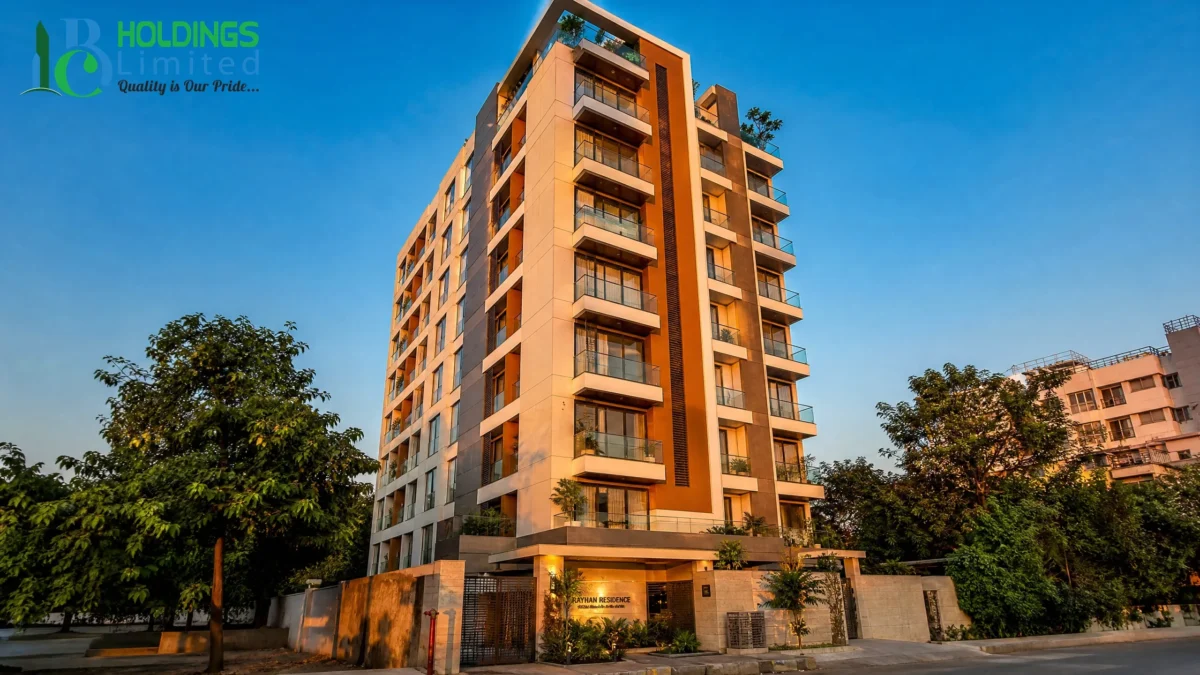
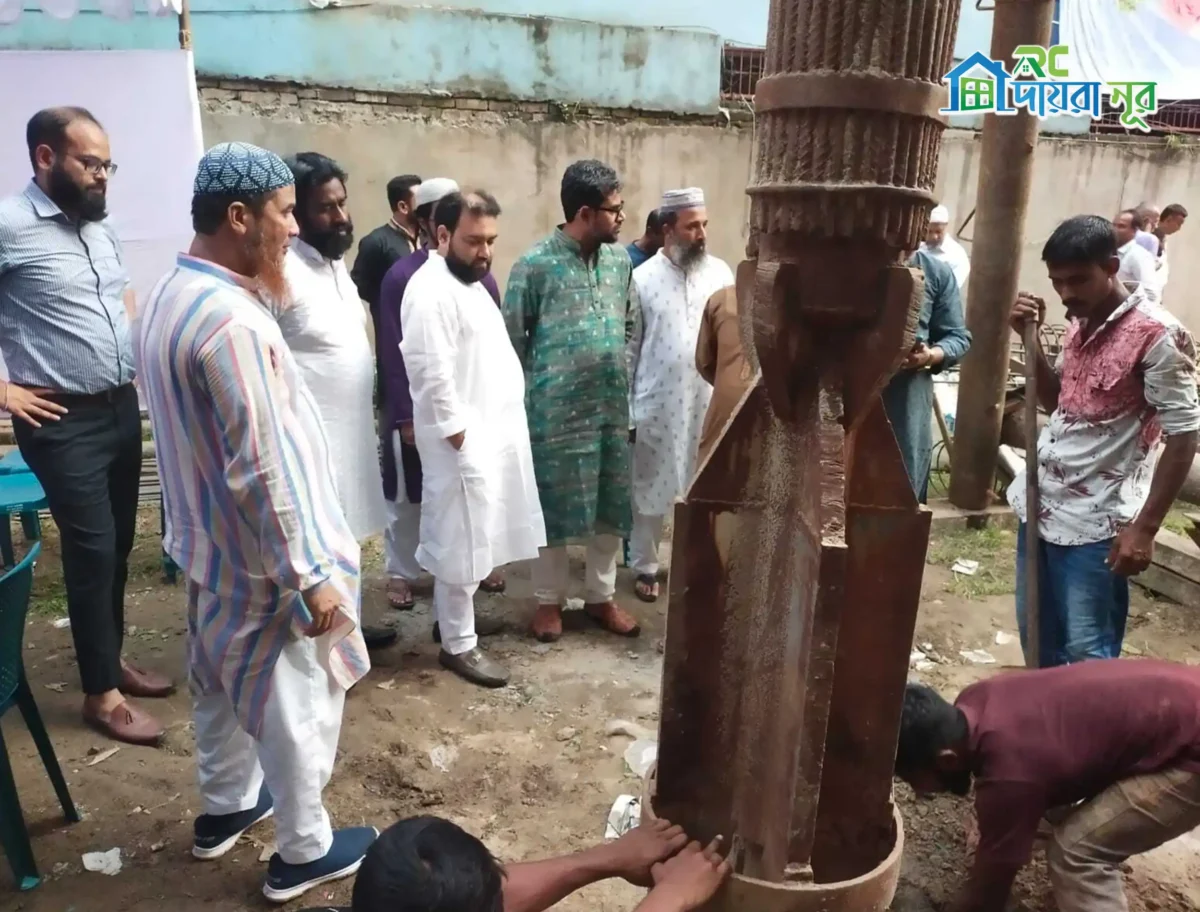
RC Holdings already uses real construction and project-event photographs in its project showcase. These genuine visuals are more valuable than general property stock images because they connect the digital presentation with actual company activities.
The gallery should remain organised and selective. Uploading many nearly identical photographs can make the page difficult to browse.
A smaller collection of dated, high-quality images usually provides a clearer understanding of progress.
Construction videos can add more context because they show a wider area of the site. Viewers can see several floors, workers, materials and the surrounding development.
The most trustworthy construction content is realistic. It should show the actual condition of the project without excessive editing that could make the visuals misleading.
6. Digital Communication and Overseas Buyers
Digital communication has made it easier for buyers to contact property developers.
A customer may begin an enquiry through a website contact form, email, telephone number or WhatsApp. The person can explain the basic requirements before arranging a meeting.
These requirements may include the preferred location, approximate budget, apartment size, parking needs and expected purchase timeline.
When the sales team receives this information in advance, it can provide more relevant project details. This makes the first discussion more efficient.
The enquiry process should remain simple. A website form does not need to request a large amount of personal information during the first contact.
A name, phone number, email address and short message are usually enough. Additional information can be discussed after the company responds.
Digital communication also creates a written record of early discussions. Buyers can review emails or messages when comparing different projects.
However, important promises should not remain only in informal chats. Pricing, payment schedules, handover dates, apartment specifications and ownership conditions should be included in official documents.
Buyers must also confirm that they are communicating with an authorised company representative. Fraudulent accounts can copy company names, logos and project images.
The safest approach is to use the contact information published on the developer’s official website.
Digital apartment buying provides particular value to overseas Bangladeshis. A person living abroad may be planning to purchase an apartment for family use, retirement or investment.
The buyer can review project pages, join video meetings and receive digital documents without travelling to Bangladesh for every early-stage discussion.
A family member or authorised representative in Bangladesh may conduct the physical inspection. The overseas buyer can join through a live video call and ask questions during the visit.
Recorded videos can also help. The buyer can replay a project walkthrough or construction update instead of relying entirely on one live conversation.
Digital document sharing may make the preliminary process faster, but sensitive documents should be handled carefully. Buyers should verify the sender and avoid sending personal information to unofficial contacts.
The overseas buyer may also need legal assistance when using a representative or power of attorney. Technology improves communication, but it does not remove the need for proper legal procedures.
7. Why a Professional Property Website Matters
A developer’s website is often one of the first places where a serious buyer evaluates the company.
A social media post may introduce a project, but the website usually provides the fuller picture. It can show the company’s background, projects, office information, property guides and official contact channels.
A professional real estate website should make this information easy to find.
Visitors should be able to move from the homepage to the About page, project information, blog and contact page without confusion.
Complicated navigation may cause potential buyers to leave before they understand the company.
Mobile performance is also important. Many people in Bangladesh search for apartments through smartphones.
If the website loads slowly, uses very small text or displays broken sections on mobile devices, the buyer may assume the company does not maintain its digital information carefully.
A professional website does not require excessive animation. Clear text, authentic project images, simple navigation and fast loading usually create a better experience.
The homepage should explain what the developer does and guide visitors towards relevant projects.
The About page should present the company’s history, purpose and values without making claims that cannot be supported.
Project pages should contain practical property information. The blog should answer common buyer questions and support people who are still researching.
Digital apartment buying depends on this connected journey. A person may discover the company through an article, explore a project and then contact the sales office.
To strengthen how its company information, projects and property resources are presented online, RC Holdings works with Kaizen Digital Hub, a digital marketing agency in Dhaka focused on website visibility, digital strategy and online business growth.
This backlink fits naturally in this section because the discussion concerns professional website presentation and digital visibility.
It should not be repeated in the introduction, conclusion, image caption or author profile. One contextual dofollow backlink is enough.
A well-designed website cannot prove the construction quality of a building. It can, however, help a buyer understand the company and find the information required before arranging a consultation.
The website should also support educational search intent. Buyers frequently search for information such as apartment registration, required legal documents, suitable locations and comparisons between ready and under-construction properties.
Publishing helpful articles around these subjects can attract potential buyers before they are ready to make a direct enquiry.
This creates a long-term digital presence rather than depending only on short-term advertisements.
8. What Buyers Must Verify Before Purchasing
Digital apartment buying helps buyers gather information, but it does not remove the need for due diligence.
The first step is confirming that the developer’s name, office address and contact information are consistent.
Information on the website should match official documents and communication from authorised representatives.
Buyers should also identify the type of visuals used on project pages.
An architectural rendering shows the planned appearance of a development. A construction photograph shows actual progress. A completed building photograph shows the delivered property.
These visuals should not be treated as the same thing.
The project status must also be clear. Buyers should know whether the apartment is upcoming, under construction, ready for possession or already completed.
Availability and pricing can change. Information published several months earlier may no longer be current.
Contact the developer directly and request updated written information before making a financial decision.
Buyers should also review the exact location. An online map can provide a general understanding, but it does not reveal every condition around the property.
A physical visit allows the buyer to observe road access, traffic, noise, drainage, neighbouring buildings and nearby facilities.
For a completed apartment, buyers should inspect the rooms, windows, doors, flooring, electrical points, plumbing fixtures, ventilation and natural light.
Shared facilities also matter. The buyer should examine the entrance, staircase, lift, parking area, rooftop space and service arrangements.
For an ongoing project, the amount that can be inspected depends on the construction stage and site-safety rules.
Buyers should follow the developer’s instructions and should not enter restricted areas.
Legal documents require careful review. Ownership records, approvals, agreements, payment conditions, registration responsibilities and handover terms may affect the security of the purchase.
A qualified lawyer or property professional can help explain documents that the buyer does not fully understand.
Digital apartment buying should therefore be considered the beginning of a responsible research process.
The website helps buyers discover and compare opportunities. The physical visit and document review help confirm whether the selected property is suitable.
Online reviews and social media comments may provide additional context, but they should not be the only basis for a decision.
Reviews can be incomplete, misleading or unrelated to the specific apartment project.
The strongest buying process combines several sources. Review the official website, communicate with authorised representatives, inspect the location and examine all important documents.
Frequently Asked Questions
What is digital apartment buying?
Digital apartment buying refers to using websites, virtual tours, project videos, online construction updates and digital communication to research and shortlist apartments. It supports the buying journey but does not replace physical inspection or legal verification.
Can I purchase an apartment completely online?
Some early stages can be completed online, including project research, virtual meetings and document sharing. Buyers should still visit the property where possible and arrange professional verification before completing the purchase.
Are virtual apartment tours reliable?
Virtual tours are useful for understanding the apartment layout and building design. Buyers should confirm whether the video shows a completed property, sample apartment or architectural visualisation.
Why are construction updates important?
Construction updates help buyers follow visible progress, especially when they cannot visit the project regularly. Dated photographs and actual site videos provide more useful information than general promotional visuals.
How can overseas Bangladeshis inspect an apartment?
They can use project videos, virtual meetings and live video calls for preliminary research. A trusted family member, lawyer or authorised representative in Bangladesh should also conduct a physical inspection and document review.
Can a professional website prove that a developer is trustworthy?
A professional website can support transparency by presenting company information, projects and official contact details clearly. It cannot prove trustworthiness by itself. Buyers must also examine completed work, legal documents and contractual terms.
What should I inspect during an apartment visit?
Inspect room sizes, natural light, ventilation, windows, doors, floors, plumbing and electrical points. Also review the surrounding road, parking, lifts, staircases and common facilities.
Should I trust apartment prices published online?
Online prices may change depending on apartment size, floor, parking, availability and payment terms. Request an updated written quotation from an authorised representative before making a decision.
Final Verdict
Digital apartment buying is making property research in Bangladesh faster, more accessible and better organised.
Buyers can explore projects, view building designs, watch walkthrough videos, follow construction updates and contact developers before arranging a physical meeting.
This allows families to avoid unsuitable properties and focus on projects that match their preferred location, apartment size and expected completion period.
The process is also valuable for overseas Bangladeshis who cannot attend every early-stage meeting in person.
For RC Holdings, digital presentation creates an opportunity to communicate its projects, company information and property guidance through one official platform.
Potential buyers can learn about the business, review developments and prepare relevant questions before contacting the sales team.
However, digital apartment buying should always support proper verification.
A website cannot show every condition around a location. A virtual tour cannot confirm every construction detail. An online message cannot replace a legally binding agreement.
The most responsible approach combines digital research with direct communication, physical inspections and professional document reviews.
Buyers should use online tools to understand their options and create a shortlist. They should then visit the property, speak with authorised representatives and verify every important financial and legal condition.
When digital convenience and careful due diligence are used together, apartment buyers can make more informed decisions and approach the property journey with greater confidence.